
FASHION
Corseturi Chronicles: Exploring the Timeless Allure of Corsets

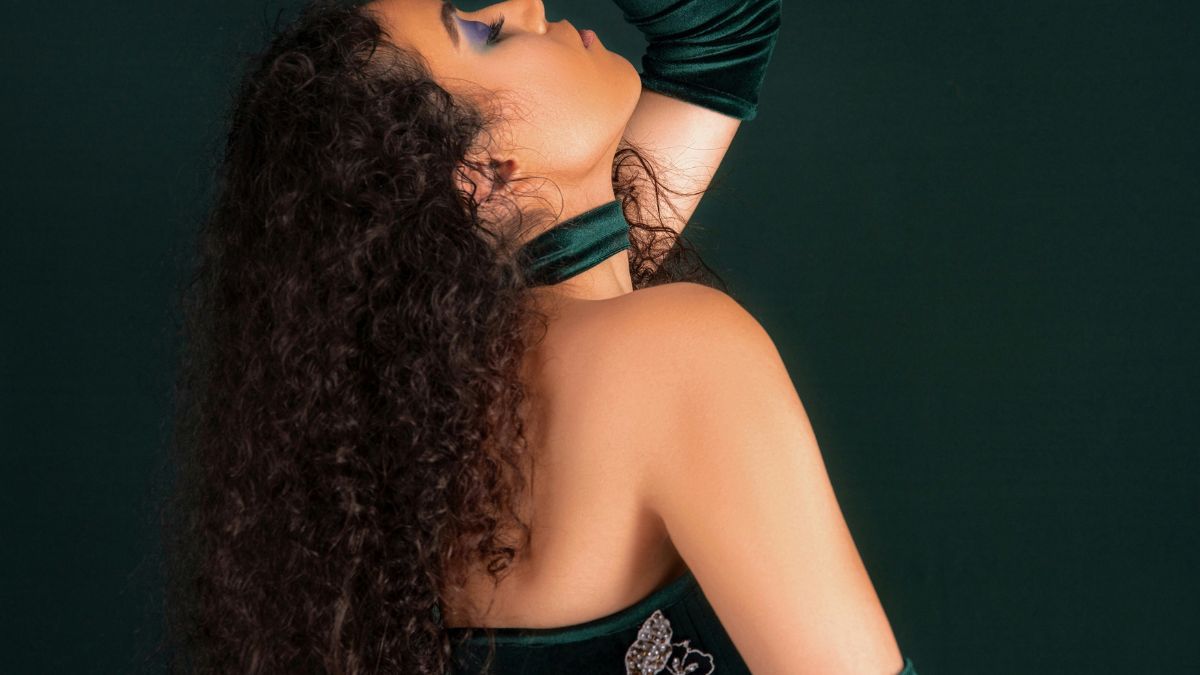
Step into a world where fashion meets history, where style intertwines with Corseturi, and where the allure of the corset reigns supreme. Welcome to the Chronicles, a journey through time exploring the timeless appeal of one of the most iconic garments in fashion history. Join us as we delve into the fascinating past, present, and future of corsets – from their origins to their modern-day revival in pop culture.
A Brief History of Corsets
Corsets have a captivating history that dates back centuries. Originating in the 16th century, corsets were initially designed to shape and accentuate the female figure, creating a desirable silhouette that was symbolic of beauty and femininity.
Throughout the centuries, corsets evolved in style and function, with different materials and designs being used to achieve various fashionable trends. From whalebone stays to steel boning, these undergarments were crafted with precision for both aesthetic appeal and practicality.
In the Victorian era, corsets reached the height of popularity among women of all social classes. The hourglass figure achieved through tightlacing became synonymous with elegance and grace, despite some health concerns arising from prolonged wear.
As fashion evolved into the 20th century, corsets gradually fell out of everyday use but continued to be cherished as garments for special occasions or theatrical performances. Today, corsets remain an iconic piece in fashion history, celebrated for their timeless allure and ability to transform a look effortlessly.
The Controversy Surrounding Corsets
Corsets have long been a topic of controversy, with opinions divided on their impact and implications. Some argue that corsets symbolize restrictive beauty standards imposed on women throughout history. Critics claim that they promote unrealistic body ideals and can lead to health issues like restricted breathing and organ displacement.
On the flip side, proponents of corsets argue that wearing them can empower individuals by enhancing their confidence and posture. They view corsetry as a form of self-expression and artistry, celebrating the craftsmanship and intricate designs of these garments.
Despite the ongoing debate surrounding corsets, it’s important to acknowledge the agency of those who choose to wear them. Whether for fashion purposes or personal preference, individuals should be able to make informed decisions about their own bodies without judgment or stigma attached.
Modern Day Uses for Corsets
In today’s modern world, corsets have transcended their historical roots and evolved into versatile fashion statements. No longer just confined to formal occasions or costume parties, corsets are now being embraced as everyday wear by fashion-forward individuals looking to add a touch of glamour to their outfits.
From layering them over t-shirts for a trendy street style look to pairing them with high-waisted pants for a chic evening ensemble, the possibilities are endless when it comes to styling corsets in contemporary settings. With various designs available – from classic lace-up styles to more modern zipper-front options – there is a corset out there for every taste and occasion.
Beyond fashion, some people also turn to corsets for waist training purposes, aiming to achieve an hourglass figure through consistent wear. While this practice has sparked debates on its safety and effectiveness, it remains a popular choice among those seeking temporary body shaping solutions.
The modern-day uses of corsets showcase their adaptability and enduring appeal in the ever-changing landscape of fashion and self-expression.
Types of Corsets and How to Choose the Right One
When it comes to corsets, there are various types to choose from, each serving a different purpose and style. Overbust corsets cover the bust area and can be worn as a standalone top or paired with clothing. Underbust corsets stop below the bust, offering more versatility when layering outfits.
Waist training corsets are designed to cinch the waist over time through consistent wear for body shaping purposes. Fashion corsets focus on aesthetics rather than waist reduction and come in an array of fabrics, colors, and embellishments.
Steel-boned corsets provide structure and support for dramatic curves while plastic boned ones offer flexibility for everyday wear. When selecting a corset, consider your desired outcome – whether it’s waist reduction or simply adding flair to your wardrobe – along with factors like material quality, sizing accuracy, and comfort level.
How to Wear a Corset: Dos and Don’ts
So, you’ve decided to dive into the world of corsetry. Whether you’re a seasoned pro or a newbie, knowing how to wear a corset correctly is key.
First things first, make sure your corset fits properly. It should be snug but not constricting, allowing for comfortable movement.
When putting on your corset, start by loosening the laces at the back before tightening them gradually from top to bottom. This ensures an even and smooth fit.
Avoid overtightening your corset as it can lead to discomfort and potentially harm your body. Listen to your body’s signals – if it feels too tight, loosen it up!
Remember that wearing a corset is about enhancing your natural curves and posture, not about achieving extreme waist reduction. Be mindful of how long you wear it and take breaks when needed.
Famous Figures Who Have Worn Corsets
Throughout history, corsets have graced the silhouettes of numerous famous figures, adding an element of allure and sophistication to their attire. Iconic women such as Queen Victoria, known for popularizing the hourglass figure silhouette during the Victorian era, famously wore corsets to achieve a cinched waistline.
In more recent times, celebrities like Madonna and Beyoncé have incorporated corsets into their stage costumes, exuding confidence and glamour with each performance. These modern-day divas showcase how corsets can be styled in innovative ways to make a bold fashion statement.
Even male figures like Elvis Presley and Prince have embraced the unique style that corsets bring to their wardrobes, challenging traditional gender norms and embracing self-expression through fashion. Their fearless approach to incorporating corsetry into their iconic looks has solidified its status as a timeless wardrobe staple for all genders.
The Revival of Corsetry in Fashion and Pop Culture
In recent years, corsets have made a striking comeback in both the fashion industry and pop culture. Once considered a relic of the past, corsetry has found its way back into mainstream consciousness, redefining modern trends and styles.
Fashion designers have embraced the versatility and allure of corsets, incorporating them into runway collections and red carpet looks. From structured undergarments to statement outerwear pieces, corsets are being reimagined in bold new ways that celebrate individuality and self-expression.
Celebrities and influencers alike have also played a significant role in popularizing corsetry once again. Seen on social media platforms and at high-profile events, these iconic figures have helped revive interest in this timeless garment.
With its ability to accentuate curves and create dramatic silhouettes, the revival of corsetry shows no signs of slowing down. As we continue to embrace inclusivity and diversity in fashion, the corset remains a symbol of empowerment for those who choose to wear it with confidence.
Conclusion:
As we wrap up our journey through the captivating world of corsets, it’s evident that these garments have stood the test of time with their timeless allure. From their rich history to modern-day uses and the resurgence in fashion, corsets continue to hold a special place in style and self-expression.
The controversy surrounding corsets only adds to their mystique, sparking debates on beauty standards and body positivity. Yet, for many wearers, donning a corset is not just about shaping the body but also embracing confidence and empowerment.
Whether you prefer a classic steel-boned Victorian design or opt for a more contemporary waist trainer style, choosing the right corset is key to achieving both comfort and aesthetic appeal.
Remember, wearing a corset should be an enjoyable experience that enhances your outfit without compromising your health or mobility. So go ahead, lace up your favorite piece with pride and embrace the timeless elegance of this iconic garment.
FAQ’s
Q: Are corsets uncomfortable to wear?
A: While some may find corsets restrictive, modern designs prioritize comfort without sacrificing style. Proper sizing and materials can make wearing a corset a pleasant experience.
Q: Can wearing a corset help with posture?
A: Yes, corsets are known for providing back support and helping improve posture when worn correctly. They can be beneficial for those looking to maintain proper alignment.
Q: Do all corsets have to be laced tightly?
A: No, it’s essential to lace a corset snugly but not overly tight. Finding the right balance ensures both comfort and effectiveness in achieving the desired silhouette.
Q: How do I know what size of corset to choose?
A: It is crucial to take accurate measurements of your waist and torso length before selecting a corset size. Consulting with experts or trying on different styles can also help determine the best fit for you.
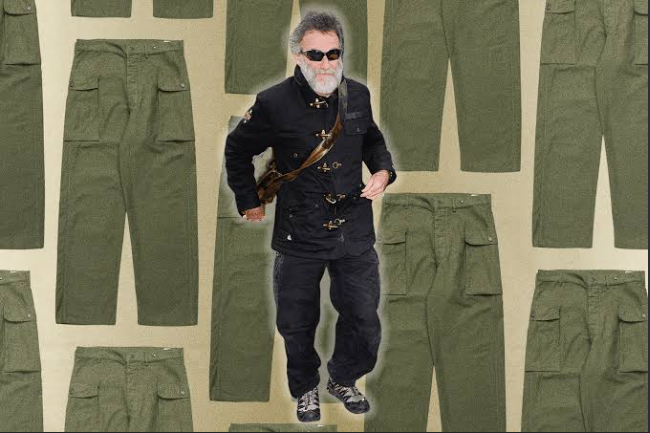
Fashion has a habit of declaring things dead and then quietly forgetting it ever said that. Cargo trousers have been written off roughly every five years since the late 1990s, and yet here we are in 2026 and they’re still everywhere. On the high street, on building sites, in parks on a Sunday afternoon. There’s clearly something going on that the trend forecasters keep getting wrong.
The honest answer is that they work. Not in an abstract, theoretical way, but in the actual practical sense of being a garment that solves a real problem. Men carry things. Phones, wallets, keys, the odd protein bar, a dog lead, whatever. Cargo trousers were built around that reality rather than pretending it doesn’t exist. That’s not a revolutionary observation, but it is the kind of thing that gets overlooked when fashion writers are busy declaring minimalism the only acceptable aesthetic.
They’ve Cleaned Up Considerably
The version most people picture when they hear “cargo trousers” is the early 2000s style, which was typically enormous, usually khaki, and featured enough pockets to pack for a fortnight in Tenerife. That silhouette isn’t really what’s being sold now, and honestly, good riddance to it. The current generation of mens cargo trousers sits much closer to a regular trouser fit, with the pockets scaled down so they don’t add a load of bulk to the thigh.
The fabric choices have improved too. Cotton twill, ripstop, brushed cotton for the colder months. Some have a slight stretch built in, which makes a genuine difference if you’re on your feet all day or doing anything that involves bending down repeatedly. It sounds like a minor detail until you’ve spent eight hours in trousers that don’t have it.
Colours have settled into something more wearable as well. Olive, navy, stone, charcoal grey, the occasional rust or burgundy for people who want to be slightly interesting. Most of the major retailers have moved away from the aggressive camouflage prints that made the early versions feel more like army surplus than everyday clothing. You can wear a decent pair of modern cargos with a plain white shirt and trainers and look entirely presentable, which wasn’t always a given.
Who Actually Wears Them and Why
There’s a certain kind of person who never stopped buying cargo trousers throughout the years people were supposed to have abandoned them. Tradespeople, outdoor types, anyone who spends time walking or cycling in British weather where conditions change roughly every twenty minutes. These aren’t people making a fashion statement; they just found something that works and stuck with it. The fact that the rest of the country has circled back round to the same conclusion is less of a trend and more of an acknowledgement that the practical contingent were right all along.
Older men, particularly those who are done with the idea of wearing uncomfortable trousers because they’re supposed to, have always had a soft spot for the style. A relaxed leg, a proper waistband that doesn’t dig in, storage that actually functions. That combination doesn’t go out of fashion for people whose priority is getting through the day comfortably. And that group is considerably larger than fashion media tends to assume.
Getting the Fit Right Matters More Than the Brand
The single thing that separates cargo trousers that look good from ones that look like you’ve borrowed them from a much larger relative is fit at the waist and seat. If they’re hanging off you around the hips, no amount of nice fabric or pocket detail is going to rescue the overall effect. Conversely, get the fit right in the seat and thigh and the pockets are essentially invisible when empty, which is the point.
Leg length is worth getting right too, especially if you’re on the shorter or taller side of average. A pair that puddles at the ankle or cuts off awkwardly mid-calf is going to look wrong regardless of everything else. Most decent retailers offer multiple leg lengths now, which wasn’t always the case, and it makes a noticeable difference. Worth checking before you buy, particularly online where you can’t just hold them up against yourself in a changing room and make a judgment call.
They’re not a complicated piece of clothing. That’s rather the point of them. But there’s a version that suits most men, and it’s usually closer than people expect when they dismiss the category outright.
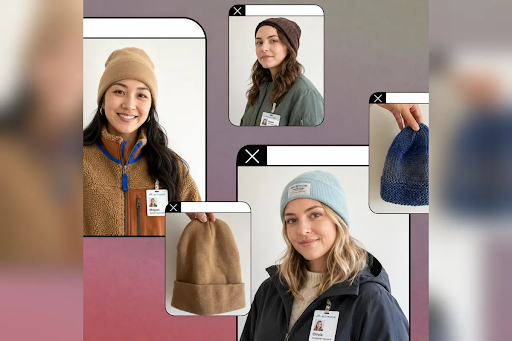
An employee welcome kit should feel useful, not random. Many companies prepare gifts for new hires, remote teams, seasonal staff, or company events, but the items inside are not always used. Basic office supplies can be helpful, but wearable products often leave a stronger impression.
Cold-weather apparel is especially practical because employees can use it outside the office. A warm beanie, scarf, comfortable socks, or small winter accessory can make the welcome kit feel more thoughtful and personal.
The goal is not to fill the box with as many items as possible. A good welcome kit should include products that match the company identity, feel comfortable, and make employees feel included from the beginning.
Why Custom Apparel Works Well in Welcome Kits
Custom apparel gives employees something they can actually wear. Unlike disposable promotional items, a comfortable wearable product can be used during travel, team events, remote work days, or daily life.
It can also help create a shared team identity. The item does not need to look like a uniform. A small logo, simple color, or subtle patch is enough to connect the product with the company.
For cold-weather onboarding, custom beanies for employee welcome kits are a practical option because they are warm, easy to distribute, and suitable for many employees without complicated sizing.
Best Cold-Weather Items to Include
Beanies are one of the easiest apparel items to include in a welcome kit. They are compact, useful, and suitable for different people. Compared with jackets or fitted clothing, beanies also reduce sizing problems.
A cuffed beanie with a small embroidered logo or patch can look clean and professional. Neutral colors such as black, navy, gray, cream, or dark green are usually easier for employees to wear outside of work.
Scarves can make the kit feel warmer and more seasonal. They work well for companies that want a softer winter gift. Branding should be subtle, such as a small woven label or simple color detail.
Socks, gloves, or neck warmers can be useful add-ons. They are lightweight and easy to pack, but they should match the purpose of the kit. For general employee gifts, comfort matters more than heavy branding.
How to Choose the Right Main Item
A welcome kit does not need too many products. One strong apparel item can be better than several low-value items.
Before choosing the main product, think about how employees will use it. Remote employees may appreciate comfortable lifestyle items. Outdoor staff may need warmer accessories. Event teams may need products that help them look more consistent.
Sizing is also important. Hoodies and jackets require more planning, while beanies, scarves, and socks are easier to manage. For companies sending kits to multiple locations, simple sizing can make the process much smoother.
Branding Tips for Employee Apparel
Employee apparel should feel connected to the company, but it should not look like a walking advertisement. Subtle branding is usually more wearable.
A small embroidered logo, woven patch, side label, or tonal design can look cleaner than a large logo. Color choice also matters. Bright brand colors may work for some companies, but neutral base colors are usually safer for everyday use.
The apparel should also match the company culture. A casual startup, outdoor team, school program, nonprofit group, and corporate office may all need different styles. The product should feel natural for the people receiving it.
Add Small Accessories Thoughtfully
Small accessories can make a welcome kit feel more complete, but they should not be added only to fill space. Each item should have a clear use.
Socks are a good example. They are easy to pack, useful for daily wear, and can work for office teams, remote employees, fitness groups, or outdoor staff. If a company is comparing which sock style fits a kit best, this guide to the types of socks can help explain the differences between common options.
Other accessories, such as gloves or neck warmers, may work better for outdoor staff, winter events, or teams in colder regions. The key is to match the product with the employee’s real use.
Planning the Welcome Kit
Start with one wearable product, then add supporting items if needed. A beanie can pair well with a welcome card, notebook, mug, water bottle, scarf, or socks.
Presentation also matters. Even simple packaging can feel thoughtful if the products are folded neatly and arranged clearly. A short welcome note can make the kit feel more personal, especially for remote employees.
When choosing products, companies should focus on comfort, usefulness, and easy distribution. A smaller kit with better items often feels stronger than a large kit filled with products employees may not use.
Conclusion
A cold-weather employee welcome kit should be practical, comfortable, and connected to the company’s identity. Custom apparel can make the kit feel more personal than basic office items, especially when the products are useful in daily life.
Beanies, scarves, socks, and small winter accessories can all work well, but the best choice depends on the employee audience, climate, company culture, and budget.
The strongest welcome kits are not the ones with the most items. They are the ones where every product feels intentional and useful.

Have you recently been thinking about creating a perfume for yourself? The answer is yes then you will definitely need to know how to do that the right way. And, doing that the right way requires you to buy the right materials. This could perhaps help you create a great perfume for yourself.
As you may already know, creating perfume is artistic, but it also requires you to, well, know how frequencies are made I don’t know what you’re doing with them. Sourcing the right materials is therefore of utmost importance here. Whether you’re an aspiring perfumer or you’re simply curious about how fragrances are made you have to understand where to get the right ingredients.
The ingredients play a crucial role in shaping the final sense you’re trying to create. And, since you’re trying to create something beautiful you will undeniably need to source your materials successfully. You may not be sure about how to do that.
Well, that is exactly why we are here today. We are going to do is talk a bit more about how you can find the right supplier that will provide you with the perfect ingredients for your perfume. There are, of course, a few main ingredients did you have to think about. We’re talking essential oils, natural extracts, solvents and similar.
Now, whatever it is that you’re trying to buy for your perfume, that is, no matter what type of an ingredient you want to buy, the truth is that you will have to find the right supplier who stopped that is precisely what we are going to be talking about today, as mentioned. So, keep on reading to find out what it is that you have to do in order to find and choose the right supplier of your perfume ingredients.
If you need some more tips on how to create a perfume, here they are: https://www.wikihow.com/Make-Perfume
Ask Around
First things first, you may want to talk to the people you know and check if they may have some recommendations to share. Of course, the idea here is for you to talk to those individuals that have experience when it comes to creating perfumes for themselves, or to sell them, or for anything else for that matter. They may have already worked with some suppliers that have provided them with the right essential oils, absolutes, isolates, or anything else that you may want and need to buy. Those people can refer you to potential suppliers, and you can then check them out in more details.
Search Online
Apart from talking to the people you know, you should undeniably also do your best to search for these suppliers online as well. After all, those people around you may simply not be familiar with all the companies operating on this market and selling the aromas and the flavors that you want to add in order to create the perfect fragrance. On the other hand, the Internet is sure to be familiar with most of these, given that they will, well, have their own official websites to show for. Your task is, therefore, to find those sites and check them out in more details in order to ultimately make the best choice.
Check the Offered Ingredients
What is it, though, that you have to check in order to ultimately make the best choice? Well, first and foremost, you should check the ingredients that are offered by various suppliers. The idea here is for you to find a supplier that can provide you with everything you need, from those essential oils to the absolutes and isolates, so that you can buy everything at one and the same place. And, of course, you also want the ingredients you get to be of great quality, so that is something else to check before moving forward.
Read Some Reviews
Reading some reviews written about the different suppliers you are considering is also a smart move here. This way, you will get a better idea about the quality of the ingredients, as well as about the general reputation of the companies you are thinking of buying from. So, when you come across The Perfumer’s Apprentice, for example, or another great supplier, take time to check what the past clients are saying. And, of course, always aim at buying your materials from reliable and trustworthy companies.
Compare the Prices
Finally, you should compare the prices that are offered by the different professionals that can sell you these ingredients. The idea here is, of course, not for you to go for the lowest bidder and be done with it, but to actually find and choose those suppliers that are selling their ingredients at completely fair prices. So, take your time to compare the prices, but remember to keep all the other important factors in mind as well, so that you can ultimately make the best choice.
-

 HEALTH3 years ago
Transformative Health Solutions: Unveiling the Breakthroughs of 10x Health
-

 Posts3 years ago
Siegel, Cooper & Co.
-

 GENERAL3 years ago
Discovering the Artistic Brilliance of Derpixon: A Deep Dive into their Animation and Illustration
-

 Lifestyle3 years ago
Purenudism.com: Unveiling the Beauty of Naturist Lifestyle
-
 FASHION3 years ago
The Many Faces of “λιβαισ”: A Comprehensive Guide to its Symbolism in Different Cultures
-
 Lifestyle3 years ago
BaddieHub: Unleashing Confidence and Style in the Ultimate Gathering Spot for the Baddie Lifestyle
-

 Home improvement2 years ago
Unleash Your Creative Side: Exploring Stylish Rug Collections to Elevate Your Space with Quality Rug & Carpet Options
-

 PETS2 years ago
From Bows to Bandanas: Elevate Your Dog’s Style Game with These Trendy Accessories